
Pan de polvo
The Origins of Pan de Polvo: A Beloved South Texas Tradition
Jul
Pan de polvo, often called Mexican wedding cookies or polvorones, is more than a sweet treat. For many families across South Texas and Northern Mexico, these delicate cinnamon-sugar cookies are part of celebrations, holidays, weddings, and everyday memories shared around the table.
What Does “Pan de Polvo” Mean?
The name “pan de polvo” translates to “powder bread,” a fitting description for a cookie known for its soft, crumbly texture and powdered coating of cinnamon and sugar. The cookie’s melt-in-your-mouth quality comes from a simple dough traditionally made with flour, shortening or lard, sugar, and warm spices.
Roots in Mexican and Spanish Baking
The origins of pan de polvo are tied to the baking traditions of Mexico, with influence from Spanish shortbread-style cookies known as polvorones. Over generations, families adapted these recipes using local ingredients and personal techniques, creating regional versions that became especially beloved in border communities.
A South Texas Favorite
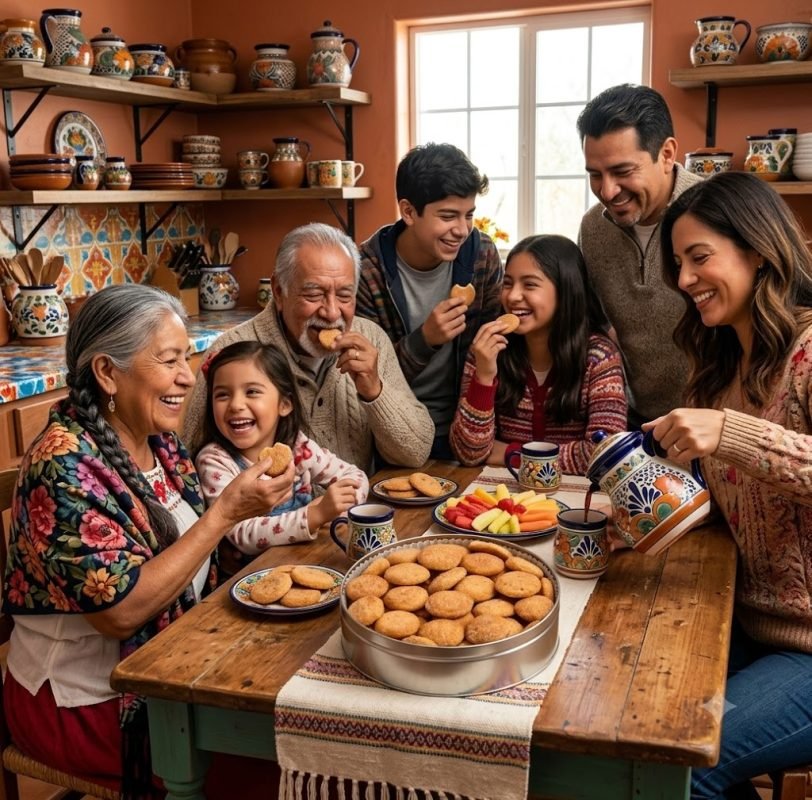
In South Texas, pan de polvo became a staple at weddings, quinceañeras, baptisms, Christmas gatherings, and family reunions. The cookies are often prepared in large batches, wrapped as party favors, or served alongside coffee, hot chocolate, or café de olla.
Every family has its own version. Some recipes include anise tea, others lean into cinnamon, and many are passed down by memory rather than written instructions. That is part of what makes pan de polvo special: it carries family history in every bite.
Why Pan de Polvo Endures
Pan de polvo continues to be loved because it connects people to heritage, celebration, and home. Its ingredients are humble, but the meaning behind the cookie is rich. Whether enjoyed during the holidays or gifted at a special event, pan de polvo remains a symbol of warmth, tradition, and togetherness.
For those who grew up with it, pan de polvo is not just dessert. It is the flavor of family stories, festive tables, and traditions that continue from one generation to the next.
